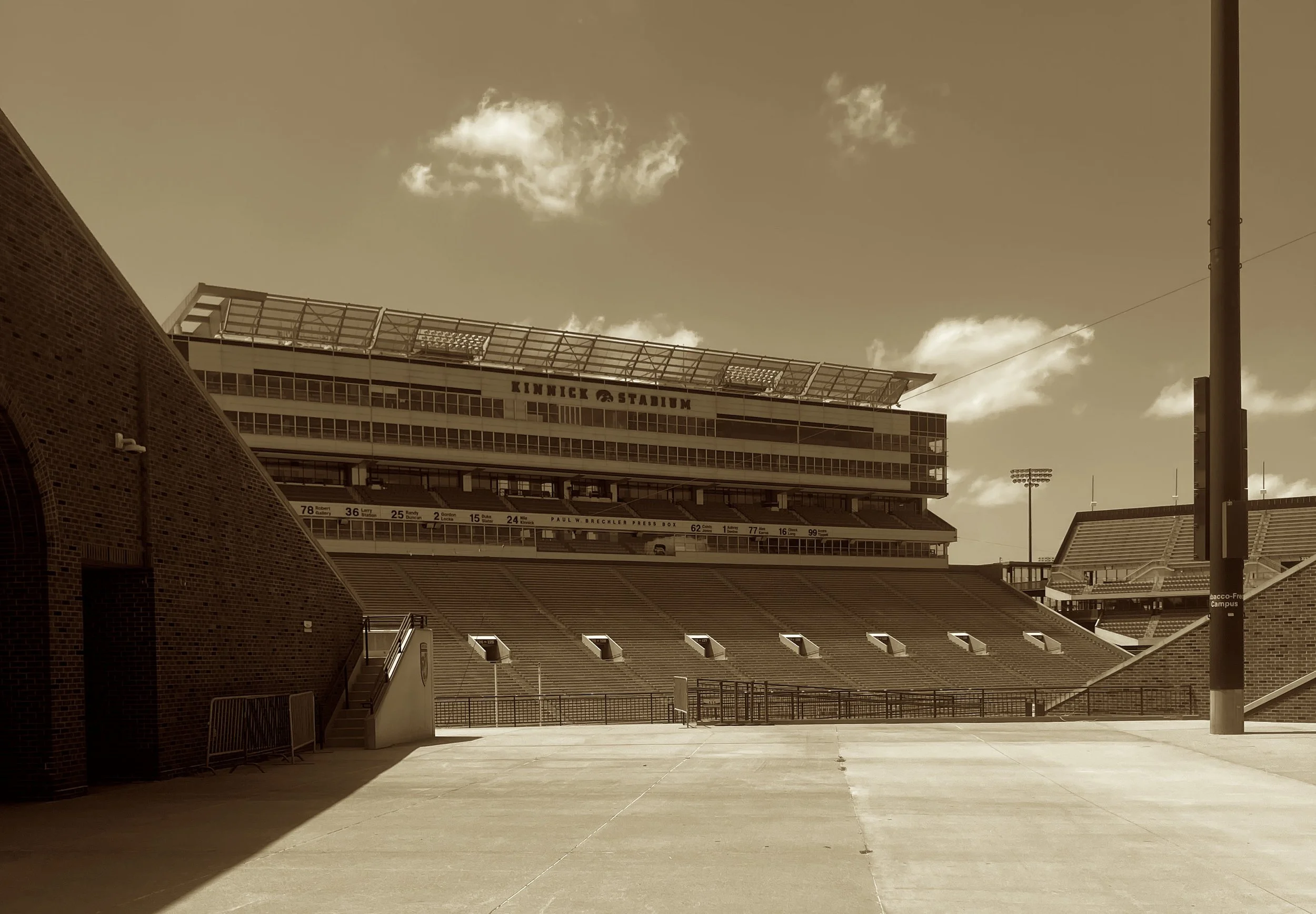
Iowa
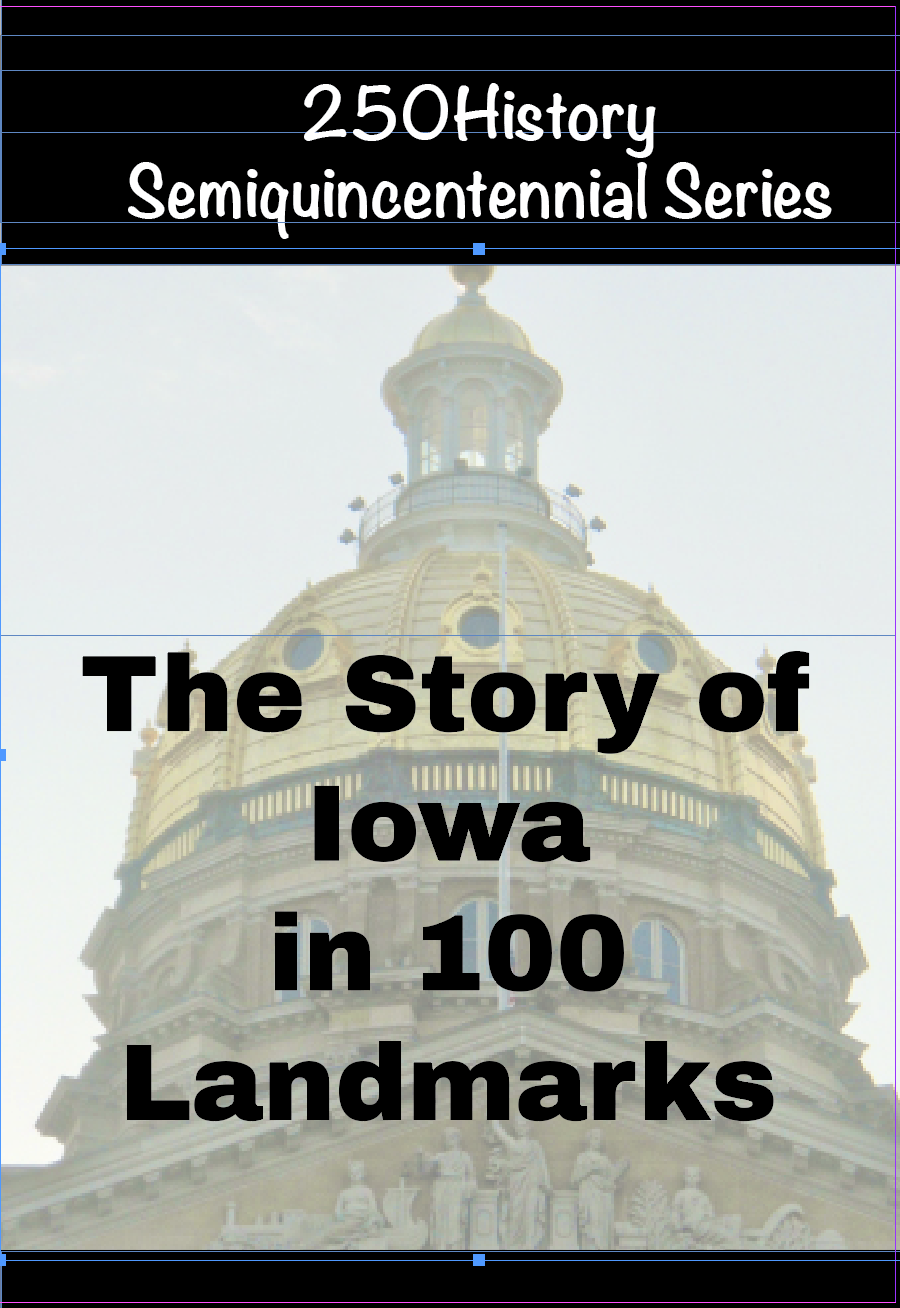
Iowa has always been more than its fields. Though its horizon may stretch in patient rows of corn and soybeans, its story unfolds in bursts of invention, resilience, and deep-rooted community pride. This is a place where hard work is not a slogan but a way of life, where even the smallest town might boast a world-class wrestler, a monumental steer, or a ballroom that once echoed with the final chords of rock and roll royalty.
Born in the crucible of prairie settlement and matured through waves of immigration and invention, Iowa’s identity has long married progress with preservation. New Deal post offices gave Depression-era towns their first brush with federal grandeur; the Civilian Conservation Corps and WPA carved public spaces from raw land; architects like Frank Lloyd Wright and industrialists like John Hanson envisioned homes and vehicles that reshaped how Americans lived and traveled. And when culture called—Iowans answered with baseball diamonds cut from cornfields, bike rides that cross a state in celebration, and quirky roadside attractions that wink at the curious traveler.
Beneath the calm, Iowa pulses with story—told in bricks and barns, towers and trails, with each town offering its own verse in the state’s quietly compelling epic.
Lincoln Highway… RAGBRAI… “Danish capital of America”… six-on-six basketball… pedal buttons… POW camps… funiculars… “frozen water trade”… squirrel cage jails… Meskers… the CCC... sprint cars… kissing bridges… the golden age of motoring... earth lodges… Amana Colony… lime kilns… fire towers... Iowa Writers Workshop… “Cathedrals of the Prairie”… Midwest Grotto Movement… lead rush… “Good Roads Movement”… jewel box bans… Drake Relays… one-room schools… round barns... atmospheric theaters... Lustron houses… This book will have you telling stories like a native in no time.
The photos and stories collected here are a fast and fun way to learn the explanations behind the quirks, the traditions and the secrets that make Iowa uniquely Iowa. Where is the only Frank Lloyd Wright hotel in the world? Solved. Why do hoboes make their way to Britt every year? A mystery no more. What is the oldest operating airfield west of the Mississippi River? Identified. What song from Meredith Wilson’s Music Man did the Beatles perform on the Ed Sullivan Show in their American debut? Revealed. Why did the Dibbles install that Gothic window on their simple frame farmhouse? No one knows.
in print and ebook
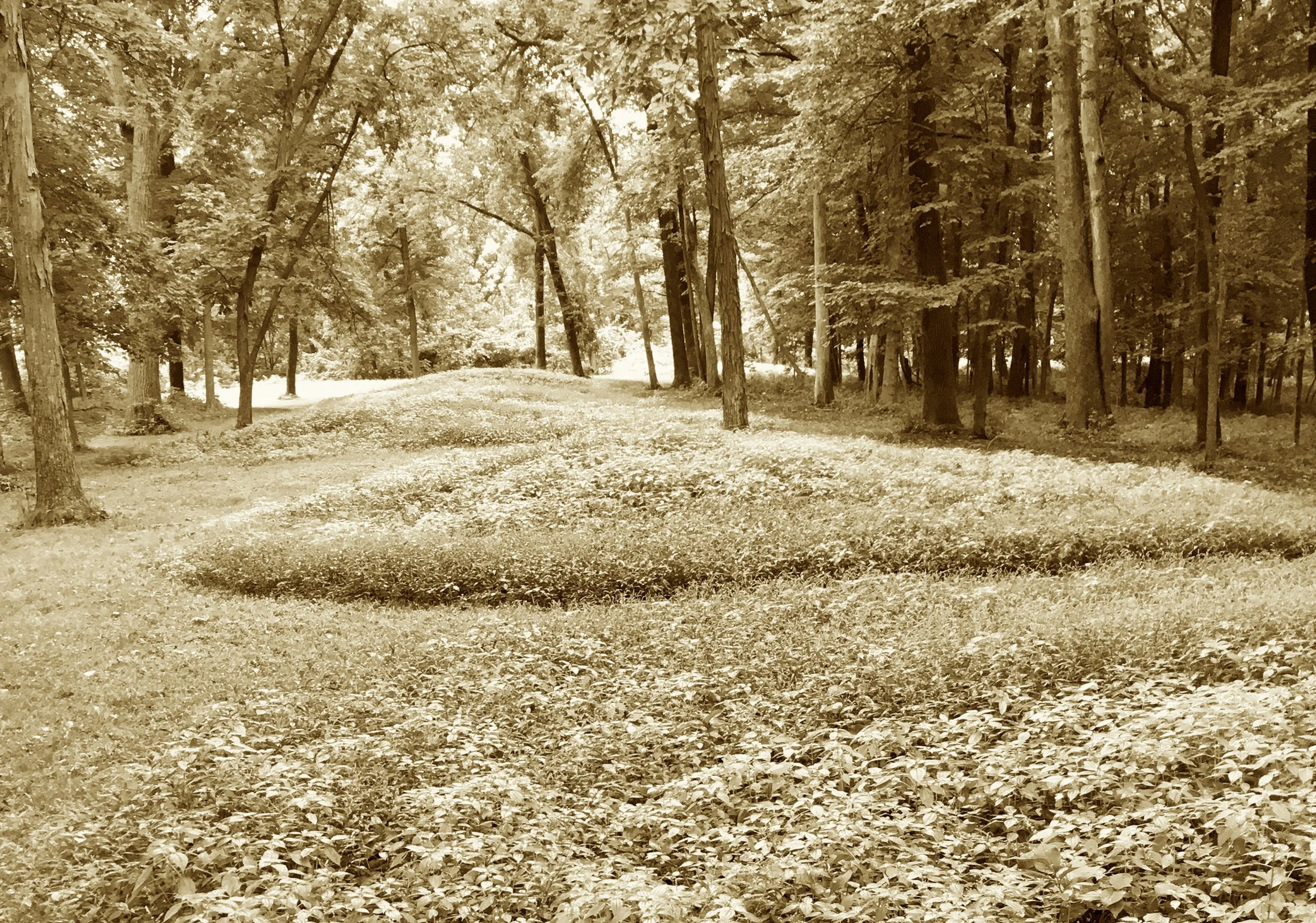
In river’s bend where spirits soar, Lie earthen beasts from days of yore. Bear and bird in sloping lines— Their shapes still whisper ancient signs. No steel or stone, just sacred ground, Where silent shapes in woods are found.
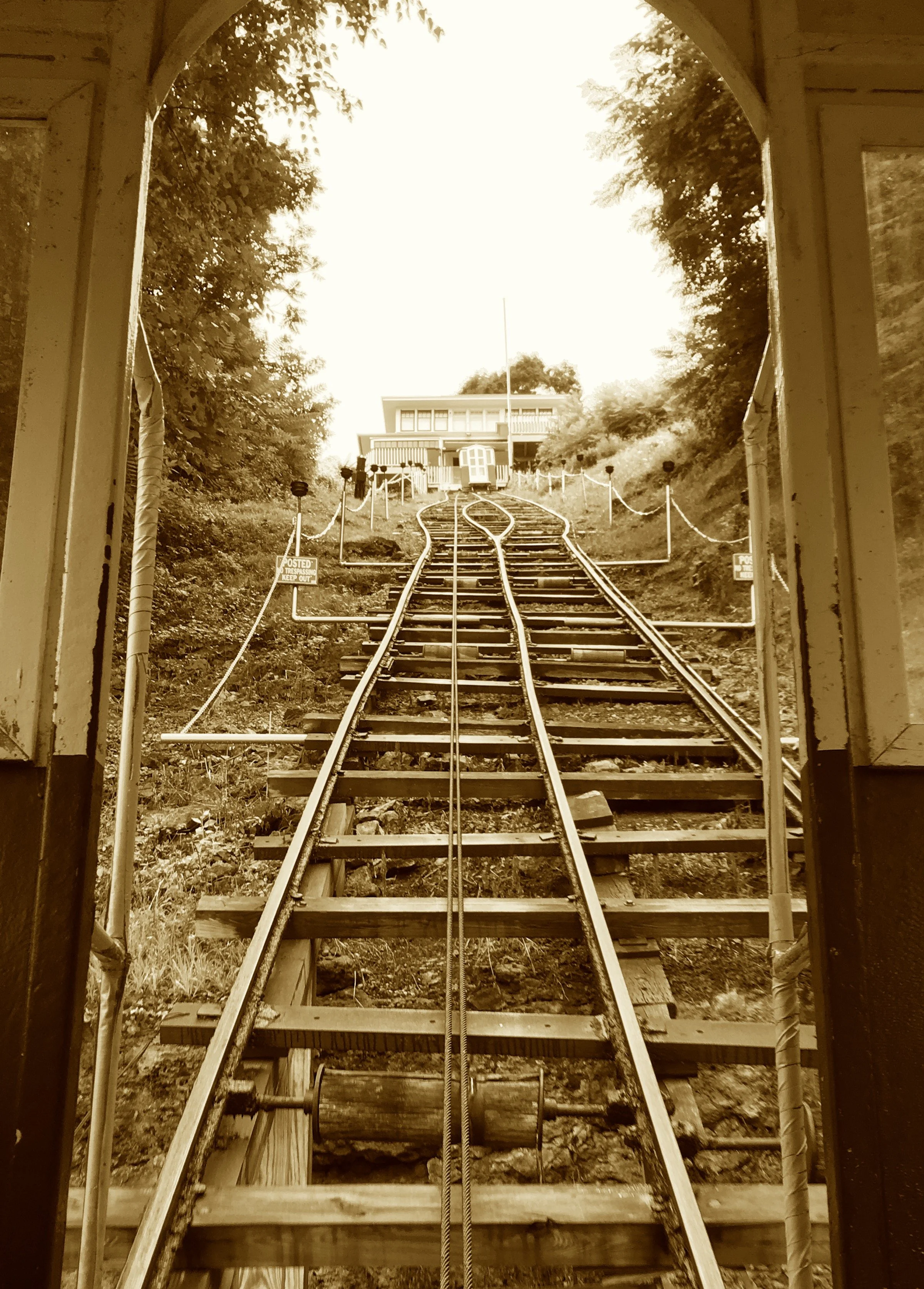
To beat the hill, a banker schemed— A railway steeper than it seemed. One car would rise, one car would drop, A five-cent ride from top to shop. The shortest, steepest track you'll see— Still pulling folks from A to B.

A window strange, a gaze severe— Two stoic souls with pitchfork near. He sketched the frame, then found the face— A nation paused to read their grace. Though joyless once, they now evoke The strength of folk beneath the yoke.

A bridge that sways and strolls with ease Now links two states on windy breeze. From tolls and fights to freedom's span, It honors dreams that rivers ran. This curving path, with deck so wide— Lets walkers dance from side to side.

Before the plows and rows of corn, A Frenchman mined where lead was born. Spain gave the nod, the Sauk gave ground, And Dubuque’s name still echoes 'round. Above the bluff, his tower keeps A vigil where the river sleeps.
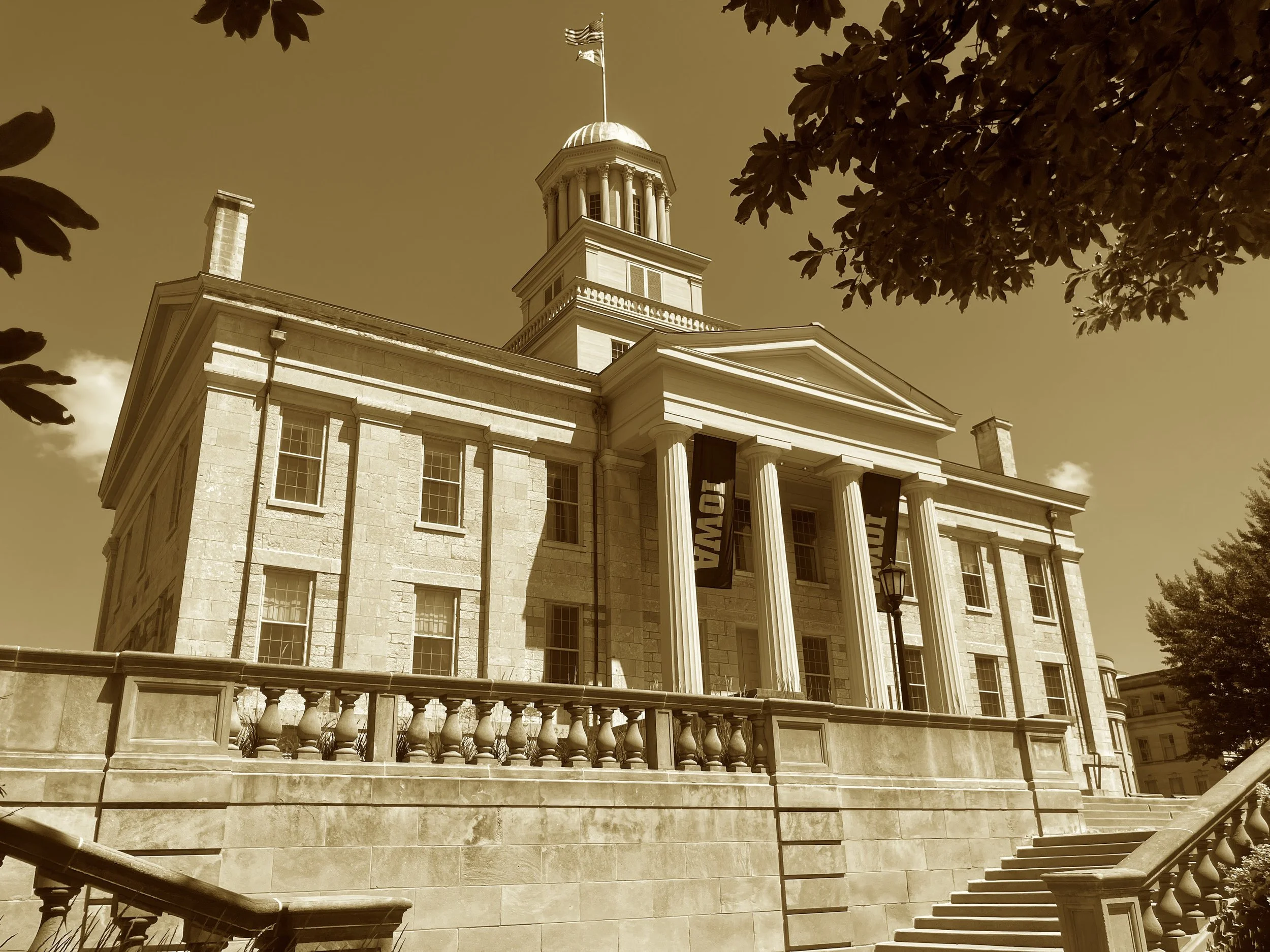
The seat of law on hillside high, Became a school as time passed by. When Des Moines called, the capital fled— But scholars came to learn instead. Restored again, its columns gleam— The cradle of a state’s grand dream.